Foundation matching can feel oddly mysterious, especially when a colour looks right in the bottle and wrong by lunchtime. Undertone labels—warm, cool, neutral and olive—can help narrow the search, but they are not always consistent between brands. The practical goal is not to win a colour theory quiz. It is to find a formula and shade that looks comfortable on your skin in the lighting you actually live in.
The useful takeaway
Test shades where they will be worn, in natural light, and allow time to see the finish settle.
Separate depth from undertone
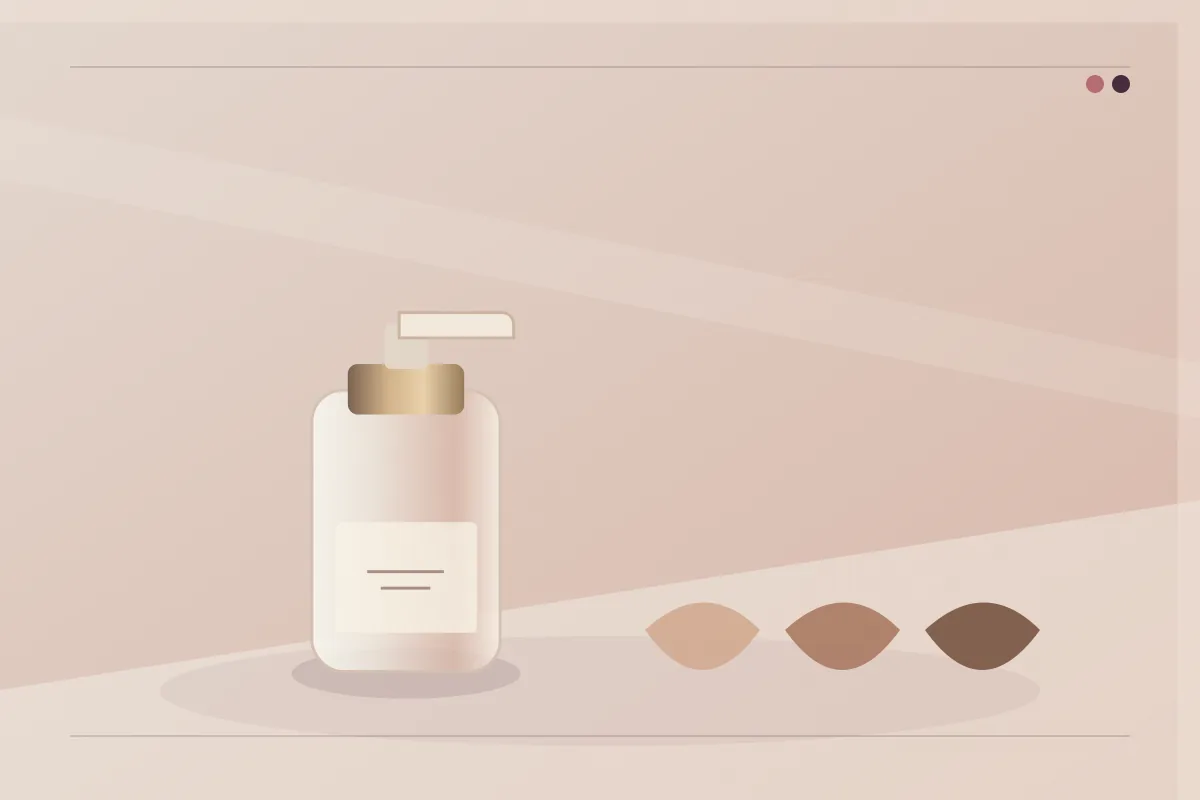
Shade depth describes how light or deep a colour appears. Undertone describes the hue that sits underneath that depth, but the language differs across brands and product ranges. Two shades labelled 'neutral' may not look alike. Start by identifying a promising depth, then compare neighbouring undertones instead of committing to a label because a quiz said you were warm or cool.
Swatch where the colour needs to blend
Test a small amount along the lower cheek or jaw, where you can compare the face and neck. Avoid relying only on a wrist, hand or artificial store lighting. Try two or three close shades side by side and check them near a window or outdoors in safe, indirect daylight. Do not apply products to broken or irritated skin, and use hygienic testers where they are available.
Give the formula a little time
Some bases change in appearance after application as they settle, interact with skin oils or dry down. Check the shade after the recommended setting period, and notice the texture as well as the colour. A product that matches well but feels uncomfortable may still be the wrong purchase. If possible, ask for a sample or check the retailer's exchange policy before buying a full size.
Coverage changes how obvious mismatch looks
A sheer formula may blend more flexibly across a small shade variation, while high coverage can make an imperfect match more visible. Consider what you want the product to do on most mornings. If you prefer only targeted coverage, a concealer might be more useful than an all-over foundation. No one has to wear a base product as part of a complete makeup routine.
Build a repeatable test
Photograph the swatches in natural light if helpful, note the shade names and compare against a familiar reference product. If a brand changes its formula, the old shade name may not produce the same result. Keep an open mind and use your own eyes more than a universal colour-code trick. A good match looks right for you, not for the category printed on the packaging.
This is general beauty information, not individual medical, dermatological or treatment advice. Follow product directions, stop products that cause reactions and seek advice from an appropriately qualified professional for persistent symptoms or individual health concerns.
Further reading and context
- General beauty and usage guidance. For personalised advice, consult a suitable qualified professional or the product manufacturer.